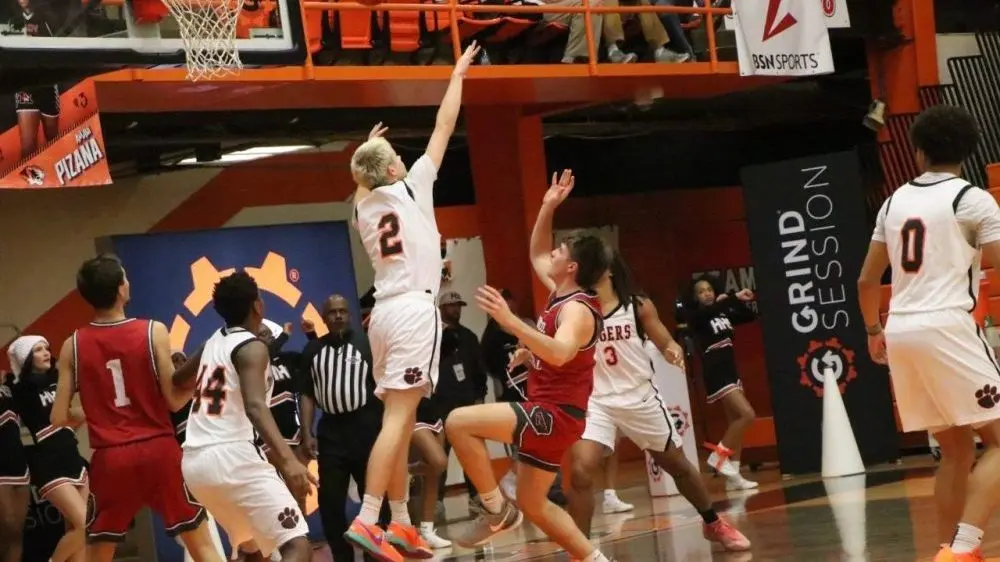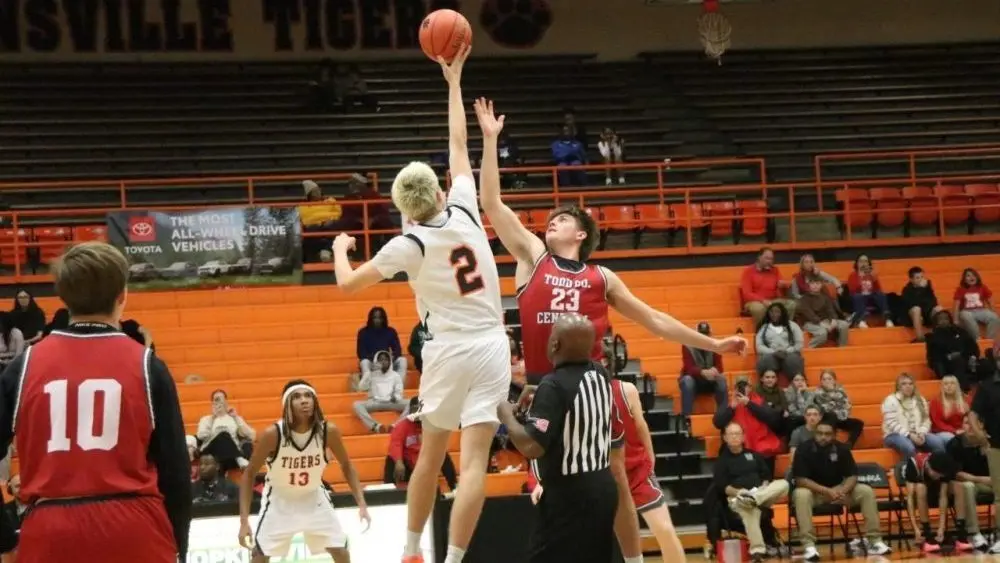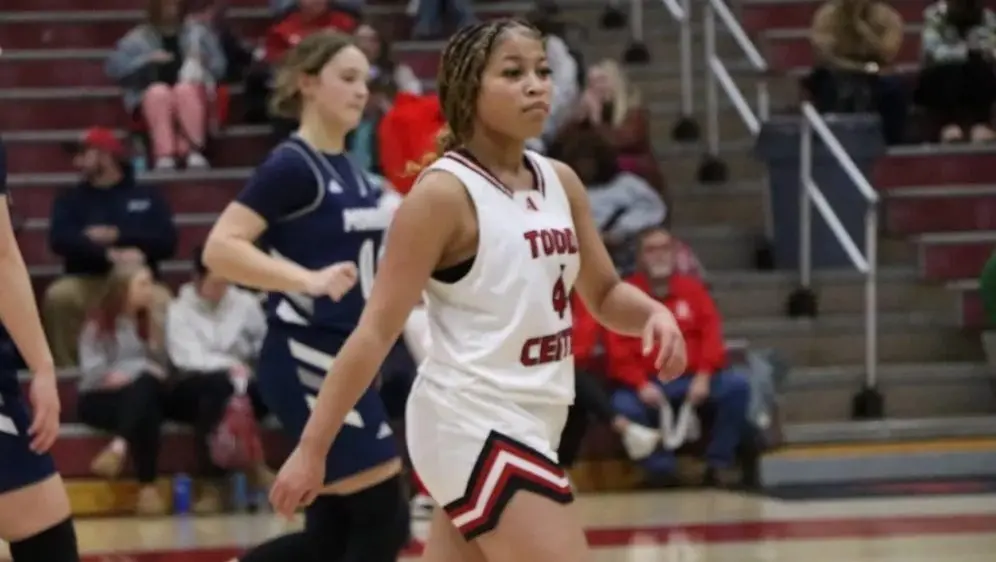

We’ve all heard the expression – March Madness – I’m certain those two words are typically synonymous with basketball and are traditionally well-known by basketball enthusiasts across the entire nation.
Obviously, if you live in the state of Kentucky, you have been supporting your favorite team, probably either the University of Kentucky or the University of Louisville (those of you who are APSU, Vanderbilt, or Western Kentucky grads will also be cheering for your respective college teams as they wend their way through the 2024 NCAA Tournament). If you live in Todd County, you undoubtedly rooted for TCCHS as it made its way into the district and regional tournaments. As we all are aware, the final March madness ‘game-down’ (that’s new Wells’ lingo for ‘showdown’) will occur April 8th if you are a men’s basketball supporter or April 7th if you are a lover of women’s basketball. If you adore them both, then you are certain to be glued to the television set on those two dates. (Please know you don’t literally have to be glued … we all know this informal expression.)
As a retired English teacher of 34 years and former cheerleader ‘coach’ of five years for Todd Central, it is very apparent I would appreciate the language of cheerleading. Yes, we all are aware of jargon associated with different occupations, but have you ever pondered the language of cheerleaders? During most of the school day and school or calendar year, whether this be at the elementary, middle, secondary, or post-secondary level, students and fans generally resemble the mild and well-mannered character of Clark Kent. For those of you who do not recognize the allusion to Clark Kent, we’ll substitute Indiana Jones, MacGyver, or Batman. I realize the sub list still may not be familiar to many readers, so I’ll just leave it at that. (Hey, realize I taught English for 34 years; my connections to the real world of television and movies date). As a whole, students’ and fans’ language is also encouraged to be mild when answering questions, giving information, or addressing other students, faculty members, or the public. However, one area of the day exists when students and fans are expected to change their usual well-mannered ways into vocal aggressiveness. That part of the day, which students usually think happens too rarely and teachers think too frequently, is the beloved pep rally, or for those who have stepped into the real world past high school, that part of the day is the game itself.
Instead of conquering the evil forces of the world like Superman (Hey, that’s who Clark Kent really was), students and fans shift their energies and their language into overcoming the rivals in whatever sport is at hand. Even if the team later loses the game, students and fans temporarily find satisfaction and enjoy an expected victory through their use of words. Since I have retired from the ranks of cheerleader sponsors, it is rather easy for me to see that this language of the pep rally and the game provides valuable insights into the nature of students, faculty members, and fans along with added insights into the nature of language.
As we are all aware, most of the pep rally or game language centers on the cheerleaders, students, and fans who voice their united hostilities through sideline chants. However, the language of sidelines often serves as vocal reminders to the fans of information that is common knowledge. Coaches and cheerleader sponsors can perhaps argue these reminders provide for the proper indoctrination of freshmen, underclassmen, or newcomers to the school or school community. Some of these reminders are of the school colors or school mascot with the typical chants “All the way, Red and Gray,” or “Fight, Rebels, Fight!” Perhaps other chants may serve as reminders of the opponent; this reminder has much more legitimate value today with the increased number of games currently being played by both male and female school teams. To meet the needs of a heterogeneous student body or group of fans, other sideline chants provide rather mundane cheers or ones requiring some interpretation of the language used. For those of you who are older, one that fits the latter interpretation will include “Hey! Hey! Babu Riba!” (Now this just might be misspelled – the chant was one popular years ago.)
Another favorite among sideline chants and among coaches has to be those chants that incite the team to victory. (Now if you really ponder that statement, you will probably conclude that’s what teams are supposed to do anyway). These chants usually appear in increased number at a “really big” game or after suffering a “really big” defeat. Naturally, since not all games are victories and since most coaches consider all games significant, they recur quite often. This group of sidelines includes “Get Tough, Big Red, Get Tough” or “Rebels on the Warpath!” or “Spirit, Spirit, Let’s Hear It!” For those annual or monthly battles with neighboring opponents, the team is wholeheartedly encouraged to “Knock’em Dead, Big Red, Knock’em Dead.”
Even those teachers who dislike losing class time for weekly, bi-weekly, or monthly interruptions of pep rallies can find some comfort from this instructional loss with chants that instruct as well as involve the students and fans. Since schools schedule so many more games today, then those concerned with academics really are pleased since the increased number of games leads to increased practice of certain skills. English teachers in particular value those chants that hone the vocabularies of students. Usually little smiles sneak onto their faces as students and fans orally and loudly practice their spellings of “R-E-B-E-L-S,” “S-P-I-R-I-T,” or “V-I-C-T-O-R-Y.’ (Please don’t chuckle at this point – you would be amazed at the number who cannot spell “spirit”). An added bonus to please those more interested in the rhythmic skills of students and fans is that the crowd generally manages to complete these poetic chants in unison. Those proponents of the “third R” also beam as students and fans master their skills of math with “1-2-3-4-5/ TC Rebs don’t take no jive/ 6-7-8-9-10/ Back it up/ and we’ll do it again.” For those concerned with improvement of fans’ psychomotor skills, another once-popular chant is “Raise your hands/ stomp your feet/ snap your fingers/ cause the Rebels can’t be beat!”
Unquestionably, the leaders of the pep rally or fans are the cheerleaders, for they determine the language of the crowd’s support as they select various chants and cheers to lead the crowd. If, however, the cheerleaders are not enthusiastic, then more than likely the support will be ineffective, for the cheers selected must be voiced with elevated feeling. Usually, however, the cheerleaders do not have to worry since their sponsor or coaches willingly provide needed suggestions. The question obviously arises concerning the value of the language of the pep rally or crowd support. Many would consider it meaningless and would claim it only serves to incite students or fans or remind them of what they already know. However meaningless the language many seem to others, it definitely serves several functions. First, it becomes a vehicle for students or fans to express themselves in language that is not of the everyday classroom or real-world variety. It is also important to remember many of the best sidelines used by students or fans are created by them, and this alone should be valuable since students and fans are applying their knowledge of language, their skills of communication, and their creativity.
Secondly, the language of pep rallies and crowds also offers opportunities for the students and fans to express their emotions in a way that is accepted by other students, faculty, and fans as well. In this sense the language of the cheers functions as a catharsis or release for the fans’ feelings that are continually subdued within the classroom or in the real world. For those who claim the language of cheering is ineffective, please recall that few pep rallies or games are scheduled in the mid-morning hours of the day. Clearly, it is easy to conclude the language of pep rallies and crowds is significant, for it provides the students and fans opportunities to communicate and have fun outside the classroom and real world along with the added opportunities to have fun and ‘rah’ with words.
As you relax at home or in the stadium viewing this year’s “March Madness,” just recall the efforts of the cheerleaders definitely encompass much more than just being in the spotlight during close-ups, timeouts, or intermissions. Hey, these folks are really instrumental in providing a much-needed avenue for students and fans to transform into spirited supporters of their favorite “March madness” teams. Hey, do you think perhaps “March” madness might need to become “April” madness as well? Oops, I forgot – March was named after Mars, the Roman god of war; remembering that fact, April madness just wouldn’t really depict the warlike vocal behavior of loyal fans!
(A side note – I love basketball – I decided perhaps we might just need to take a moment out of cheering for our favorite teams or relaxing from the world of work to chuckle just a bit – hey, that’s the beauty of language. For those of you who might think some of these chants are old or non-existent; just look around; you will probably note someone with a reminiscing smile on his/her face.)
Carolyn L. Wells
March 23, 2024