
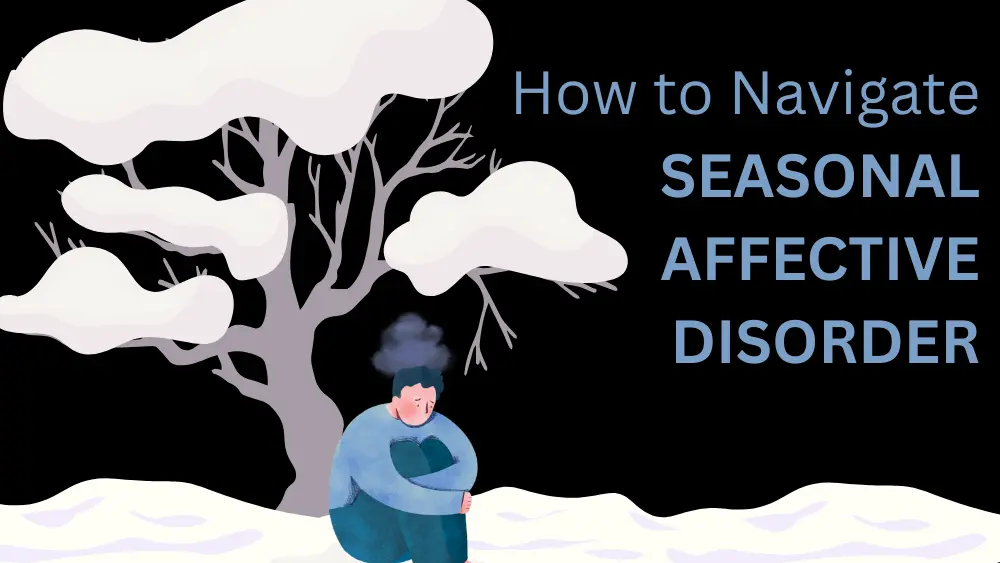
Seasonal affective disorder (SAD), also known as the “winter blues” or seasonal depression, is something many people struggle with during the coldest, darkest months of the year.
Family and Consumer Science Extension Agent Jill Harris says many people feel down during the winter, but for some, it’s more serious. According to Mental Health America, around 5% of the U.S. population experiences seasonal depression, with women being the vast majority.
click to download audioShe notes researchers are still studying what causes seasonal affective disorder, but two of the most likely causes are reduced sunlight and increased melatonin levels.
click to download audioSome symptoms people should watch for in themselves and their loved ones include
– Being withdrawn
– Anxiety
– Mood changes
– Trouble sleeping
– Feeling overly tired
– Changes in appetite
– Irritability
If someone notices these symptoms in a loved one, Harris says one of the most helpful things is encouraging outdoor activities, even if it’s cold outside.
click to download audioHowever, Harris notes emotional support is just as important as physical changes. She adds if someone’s loved one is experiencing seasonal depression, let them know they are not alone, and reassure them that what they are experiencing is real.
She notes practical ways to show someone support include cooking for them and finding activities to keep brains engaged, such as puzzles, crafts or simply a day of their favorite activities. In fact, Harris adds the Todd County Extension Office has a “Wits Workout” program every Friday at 10 a.m. which aims to keep the mind engaged through brain games.
Other ways to ease symptoms include:
– Increasing natural light at home
– Practicing meditation
– Stress management
– Spending more time outside in the sunlight
– Exercise
If symptoms become severe, it is encouraged to seek help from a doctor or therapist.
click to download audioAnyone in a mental health crisis is encouraged to contact the National Suicide Prevention Hotline at 1-800-273-8255. Individuals can also simply text or call 9-8-8. Support and help is always available.