Since the 1800s, Americans have celebrated Memorial Day in remembrance of those who died in service.
In the days following the Civil War, communities in both the North and South began decorating soldiers’ graves with spring flowers, according to the U.S. Department of Veterans Affairs, a tradition that has been documented since Ancient Rome. Originally called Decoration Day, the holiday was first widely observed May 30, 1868, as declared by General John A. Logan of the Grand Army of the Republic, an organization of Union Veterans.
In a quote by Logan, he said, “Let pleasant paths invite the coming and going of reverent visitors and fond mourners. Let no neglect, no ravages of time, testify to the present or to the coming generations that we have forgotten as a people the cost of a free and undivided republic.”
After WWI, the holiday increasingly became known as Memorial Day and was more widely established as a national holiday, according to PBS. It also became an occasion to honor those who died in all American wars, not solely the Civil War.
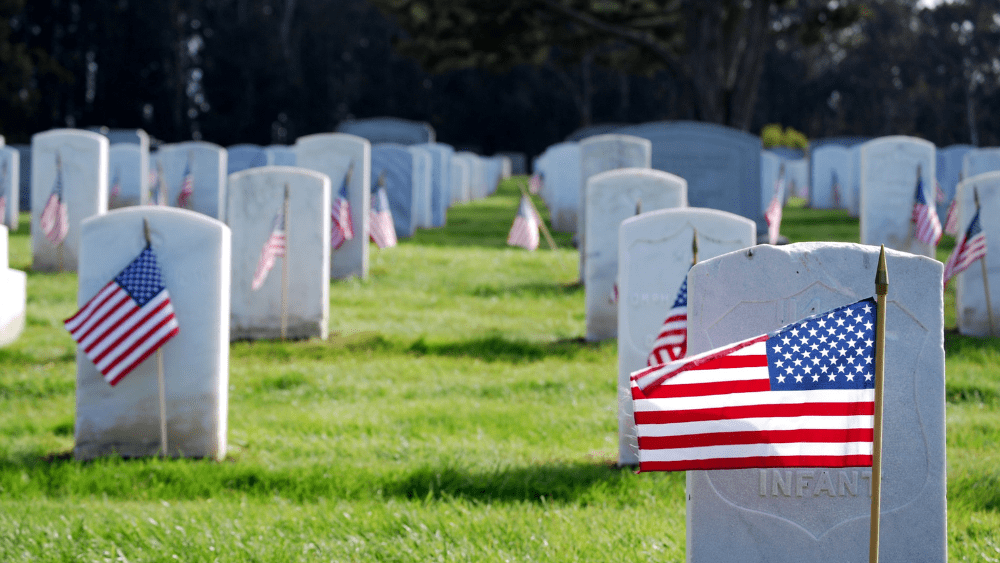
By 1971, Congress established Memorial Day to be commemorated on the last Monday of May. Each year, a ceremony is held at Arlington National Cemetery to honor fallen soldiers, where traditionally, a small American flag is placed on each of the over 400,000 graves, as well as on the graves of soldiers all across the nation.